
Tennessee Kratom Ban Takes Effect July 1, 2026

The biggest kratom news story of the week is a calendar date: today, July 1, 2026. Tennessee’s kratom ban — enacted as HB 1649/SB 1656, known as “Matthew Davenport’s Law” — officially takes effect, making Tennessee the eighth U.S. state to fully prohibit kratom. Governor Bill Lee signed the measure into law on May 7, 2026 (Public Chapter 950) after it cleared both chambers, and there is no grace period for retailers or consumers.
As of today, the sale, possession, and distribution of kratom in any form is illegal across Tennessee. Notably, the statute is written broadly: it covers powdered leaf, capsules, teas, and concentrated extracts — including products containing 7-hydroxymitragynine (7-OH). According to local reporting, knowing possession after July 1 can be charged as a Class A misdemeanor carrying up to 11 months and 29 days in jail, a fine of up to $2,500, or both, while manufacture, delivery, or sale is treated as a Class C felony.
Lawmakers repeatedly invoked the “gas station heroin” framing during debate — a term that has become shorthand for concentrated synthetic 7-OH products sold in convenience stores. As we cover below, that framing is a key reason natural-leaf advocates have criticized blanket bans that sweep traditional kratom leaf in alongside the synthetic concentrates regulators are actually targeting.
Kansas Bans Kratom the Same Day
Tennessee is not alone. On the very same day, Kansas begins enforcing its own kratom ban under House Bill 2365, which Governor Laura Kelly signed earlier this year. The Kansas law amends the state’s Uniform Controlled Substances Act to place kratom and 7-OH-related substances into Schedule I — the same classification used for heroin — a significantly harsher approach than Tennessee’s misdemeanor-first structure.
Under Kansas law, possession of a Schedule I controlled substance is a drug severity level 5 felony for a first offense, while sale or distribution can rise to a drug severity level 3 felony. Local outlets in Wichita, Lawrence, and Kansas City have reported that law enforcement and addiction-treatment providers spent June preparing for the change, and the prohibition applies uniformly across every municipality in the state with no local carve-outs.
Where the State Bans Stand After Today
With Tennessee and Kansas both switching on today, the count of fully-prohibition states grows. The table below summarizes the most recent, widely-reported state-level actions covered in previous KratomWorld kratom news Executive Summaries and this week’s news. Always confirm details with your state’s controlled-substances authority, since enforcement specifics and effective dates can shift.
Natural Leaf vs. Synthetic 7-OH: The Critical Distinction
If there is one theme running through 2026 kratom policy, it is the difference between traditional natural-leaf kratom and concentrated, semi-synthetic 7-OH products. Federal regulators have been explicit that their enforcement focus is 7-OH — the concentrated compound sold as tablets, gummies, drink mixes, and “shots” — not the whole-leaf powder and capsules that have been used for generations.
That distinction is why states like New York chose to ban only synthetic 7-OH products while leaving natural leaf legal, and why more than thirty states have adopted some version of the Kratom Consumer Protection Act (KCPA) instead of an outright ban. A KCPA framework keeps natural-leaf kratom legal for adults while adding age restrictions (typically 21+), labeling requirements, laboratory testing, and caps on 7-OH concentration — the guardrails that separate a responsibly-sourced leaf product from a spiked concentrate.
Consumer-advocacy groups have consistently argued that blanket bans like Tennessee’s and Kansas’s are a blunt instrument: by prohibiting all forms of kratom rather than regulating the leaf and targeting the synthetic concentrates, they remove tested, labeled natural-leaf products from legal retailers while doing less to address the “gas station heroin” concentrates that drove the headlines in the first place. For ongoing kratom news and tracking of these developments, industry watchers often follow independent outlets such as kratom.news alongside official state and federal notices.
Federal Watch: DEA Has Not Scheduled 7-OH
At the federal level, the picture is unchanged from recent weeks but worth restating clearly: as of today, 7-hydroxymitragynine is not federally scheduled or banned, and natural-leaf kratom remains federally legal. The FDA formally recommended Schedule I classification for 7-OH to the DEA on July 29, 2025, but the DEA has not published a proposed rule, and the recommendation remains under review.
Congressional pressure has continued in the background. Members of Congress — including letters from Senator Roger Marshall and Representative Rob Bresnahan — have urged the DEA to use its emergency authority to temporarily schedule synthetic 7-OH compounds and analogues, again drawing the line at chemically-manipulated concentrates rather than whole leaf. The FDA has also issued warning letters to companies marketing 7-OH formulations, citing unapproved-drug and misbranding concerns.
In this week’s kratom news, the practical takeaway for consumers of natural-leaf powder and capsules is that federal legality has not changed — but state law is where the action is, and it is moving fast. That makes checking your local status before every purchase more important than ever.
What This Means for Kratom Consumers
The most important item in this week’s kratom news: if you live in Tennessee or Kansas, kratom is no longer legal to buy, sell, or possess as of today — full stop. If you live in one of the 30-plus KCPA states, natural-leaf kratom remains legal for adults, subject to your state’s labeling, testing, and age rules. Wherever you are, the smart move is to buy only clearly-labeled natural-leaf powder and capsules from a transparent vendor, and to re-check your state’s status regularly, since effective dates can arrive with little warning.
KratomWorld sells strictly natural-leaf kratom powder and capsules — no synthetic 7-OH concentrates. Below are four popular natural-leaf options for customers in states where kratom remains legal.
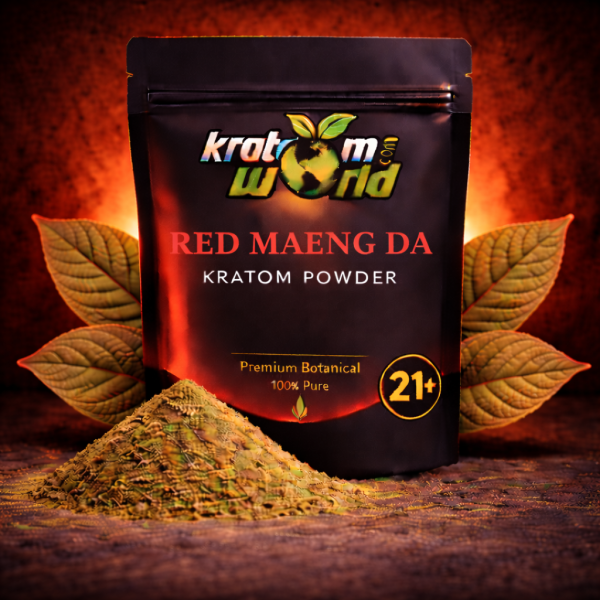
Red Maeng Da Kratom
From $14.95
One of our most popular red-vein natural-leaf powders, finely milled. Available in powder and capsules.

Green Maeng Da Kratom
From $14.99
A classic green-vein natural-leaf powder, freshly milled for purity. Powder and capsule options available.

Red Bali Kratom
From $14.95
A well-loved red-vein natural-leaf staple, smooth-milled. Choose powder or capsules.

5 Kilo Bulk Kratom Powder
From $249.95
Our best value for regular customers — mix and match any natural-leaf strains across five kilos of GMP-sourced powder.
Frequently Asked Questions
Is kratom legal in Tennessee after July 1, 2026?
No. As of July 1, 2026, Tennessee’s ban makes the sale, possession, and distribution of kratom in all forms illegal statewide, with no grace period. This is news reporting, not legal advice — consult Tennessee authorities or an attorney for your specific situation.
Did Kansas ban kratom too?
Yes. Kansas House Bill 2365 places kratom and 7-OH-related substances in Schedule I, effective July 1, 2026, applying uniformly across the state. Verify current details with Kansas state authorities before acting.
Is kratom banned at the federal level?
No. As of today, natural-leaf kratom is federally legal and 7-hydroxymitragynine (7-OH) is not federally scheduled. The FDA recommended Schedule I status for 7-OH to the DEA in 2025, but the DEA has not issued a proposed rule.
What is the difference between natural-leaf kratom and 7-OH?
Natural-leaf kratom is whole-leaf powder or capsules made from the Mitragyna speciosa plant. 7-OH products are concentrated, semi-synthetic formulations. Regulators have focused their enforcement on concentrated 7-OH products, not traditional leaf. KratomWorld sells only natural-leaf powder and capsules.
How can I tell if kratom is legal in my state?
Because effective dates change quickly, always confirm the current status with your state’s controlled-substances authority before buying, selling, or possessing kratom. More than 30 states regulate natural-leaf kratom under Kratom Consumer Protection Act frameworks that keep it legal for adults 21 and older.