
WEEKLY EXECUTIVE SUMMARY · JUNE 24, 2026
Your FDA-friendly roundup of this week’s biggest kratom news: Florida expands its 7-OH emergency rule, Connecticut becomes the 7th Schedule I state, Rhode Island reverses its ban, and a wave of new state bills moves forward — while natural-leaf kratom powder and capsules stay legal for adults 21+.
In This Week’s Summary
Florida Expands Its 7-OH Emergency Rule (June 22)

The biggest kratom news this week came out of Tampa. On June 22, 2026, Florida Attorney General James Uthmeier signed a new emergency rule that significantly expands the state’s existing restrictions on 7-OH (7-hydroxymitragynine) — the concentrated, semi-synthetic compound that regulators have repeatedly distinguished from natural kratom leaf.
Florida first limited 7-OH in 2025 with an emergency rule that outlawed concentrations above 0.04%. According to officials, manufacturers responded by reformulating products with substitute compounds to skirt that threshold. The new rule closes those loopholes by adding a list of related chemicals: mitragynine pseudoindoxyl, 7-acetoxymitragynine, 9-hydroxycorynantheidine, 10-hydroxycorynantheidine, and the lab-made analogs MGM-15 and MGM-16.
Crucially for natural-leaf consumers, the rule is written around concentration, not the plant itself. It states that no product may contain more than 1 milligram of these compounds per gram or milliliter, and that any product containing 7-OH must contain at least 100 times more mitragynine by mass. In other words, the measure targets super-concentrated extracts — not whole-leaf kratom powder, which naturally contains only trace amounts of 7-OH.
At the press conference, officials reported that Florida medical examiners have linked at least 587 overdose deaths to 7-OH and related compounds, and that Florida Poison Control logged 95 related calls in the first four months of 2026 alone. Branded concentrate products named at the event included Hydroxy, 7Tabz, and 7-OHMZ — gas-station and vape-shop items sold as gummies, tablets, shots, and liquid extracts.
Why the Powder-vs-Concentrate Distinction Matters
This is the same line regulators have drawn at the federal level: the FDA has recommended scheduling concentrated and synthetic 7-OH, while stating that natural kratom leaf is not the focus of that action. Florida’s “100x mitragynine” ratio is essentially a regulatory definition of what whole-leaf looks like — and it’s a rule that responsible natural-leaf powder easily satisfies.
Connecticut Becomes the 7th Schedule I State
Connecticut also moved into the spotlight this week. The state’s Department of Consumer Protection finalized regulations placing kratom and its derivatives — including 7-OH — on the state’s Schedule I list, alongside substances such as bromazolam, flubromazolam, nitazenes, tianeptine, and phenibut. That makes Connecticut the seventh U.S. state to take a full-prohibition approach rather than the regulated KCPA model.
Under the rule, businesses must remove the listed substances from shelves, and officials cited public-health risk and broad availability to people of all ages as the rationale. Notably, the scheduling language authorizes the department to reschedule kratom in the future if new research supports a medical purpose — leaving a door open for the regulated framework other states have adopted.
For consumers, the takeaway is simple: kratom legality remains a state-by-state patchwork. A product that is perfectly legal in most of the country is now off-limits in Connecticut, which is exactly why checking your local law before ordering is essential.
Rhode Island Reverses Its Ban With a Regulated Framework
Not every story this week pointed toward prohibition. In a first for the country, Rhode Island moved a previously banned substance back to regulated-legal status. The Rhode Island Kratom Act took effect April 1, 2026, ending the state’s prohibition and replacing it with a Kratom Consumer Protection Act (KCPA)-style framework.
The new framework is a useful model for what “good regulation” looks like. It restricts sales to adults 21 and older, requires labeling and quality standards, prohibits synthetic 7-OH additives, and limits naturally occurring 7-OH to no more than 1% of total alkaloid content. The Rhode Island Department of Health oversees a licensing system for the full supply chain, paired with a 15% wholesale tax. It demonstrates that lawmakers can address concentrate safety without banning the natural leaf that adults have used responsibly for years.
The 2026 State Legislation Wave: KCPA vs. Bans
Zoom out and a clear pattern emerges in 2026: states are splitting into two camps. One group is adopting the Kratom Consumer Protection Act — model legislation that keeps natural-leaf kratom legal for adults while adding age limits, labeling standards, and bans on adulterated or synthetic 7-OH products. The other group is moving toward outright Schedule I prohibition. Here’s a snapshot of where things stand this week:
The common thread across both camps is the target: nearly every action centers on concentrated and synthetic 7-OH products, not whole-leaf kratom. Even the strictest bans cite the same gas-station extracts and fruit-flavored gummies that the FDA and Florida officials have flagged.
What This Means for Natural-Leaf Buyers
If you are an adult buyer of natural-leaf kratom, the through-line of this week’s kratom news is reassuring but requires diligence. Regulators are drawing a hard line between concentrated 7-OH and whole-leaf powder, and the legal frameworks taking shape — from Rhode Island’s KCPA to Florida’s mitragynine-ratio rule — are essentially codifying what responsible natural-leaf products already are.
Three practical habits keep you on the right side of every framework. First, verify your state’s current law before ordering, since the patchwork changes month to month. Second, choose whole-leaf powder and capsules from vendors that follow GMP practices — not high-7-OH “shots” or “tabz.” Third, confirm products are sold only to adults 21 and older. KratomWorld stocks single-strain, natural-leaf powder and capsules in line with these standards. For deeper background and live legislative tracking, our partners at kratom.news follow these developments closely. Bookmark this page for next week’s kratom news roundup.
Shop Natural-Leaf Kratom
All of our products are 100% natural-leaf kratom powder — never concentrated or synthetic 7-OH. For adults 21+ where legal.
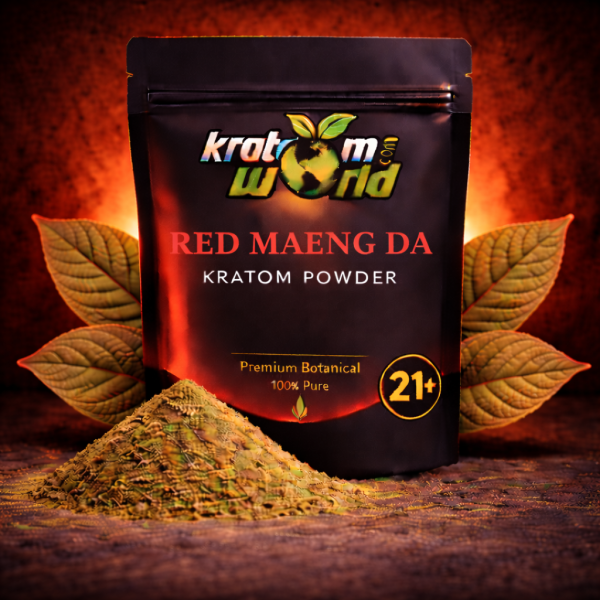
Red Maeng Da Kratom Powder
From $14.95
One of our most popular red-vein strains. Natural-leaf powder, GMP-aligned packaging.

Green Maeng Da Kratom Powder
From $14.99
A balanced green-vein favorite. Pure whole-leaf powder with full natural alkaloid profile.

Red Bali Kratom Powder
From $14.95
A classic red-vein staple. Natural-leaf powder, GMP-sourced for quality and purity.

5 Kilo Bulk Kratom Powder
From $249.95
Best value in bulk — choose any natural-leaf strains. Ideal for regular adult buyers 21+.
Frequently Asked Questions
Does Florida’s new rule ban natural-leaf kratom powder?
No. Florida’s June 22 emergency rule targets concentrated and semi-synthetic 7-OH products. It requires that any product containing 7-OH have at least 100 times more mitragynine by mass — a ratio that whole-leaf kratom powder naturally meets. The action focuses on high-concentration extracts, not natural leaf.
What is the difference between 7-OH and natural kratom?
7-OH (7-hydroxymitragynine) occurs only in trace amounts in the natural kratom leaf. The products regulators are restricting are concentrated or lab-altered formulations with elevated 7-OH levels. Natural-leaf kratom powder retains the plant’s full, naturally occurring alkaloid ratio.
Is kratom legal in my state right now?
It depends on where you live. Most states permit natural-leaf kratom for adults 21+, but Connecticut is now the 7th state to schedule it, while Rhode Island recently moved it back to regulated-legal status. Because the patchwork changes frequently, always confirm your current state and local law before purchasing.
What is the Kratom Consumer Protection Act (KCPA)?
The KCPA is model legislation that keeps natural-leaf kratom legal for adults while adding consumer protections: a 21+ age requirement, labeling standards, quality requirements, limits on naturally occurring 7-OH, and bans on adulterated or synthetic products. Rhode Island and Mississippi are among the states adopting this framework.
Does KratomWorld sell 7-OH products?
No. KratomWorld sells only natural-leaf kratom powder and capsules — never concentrated or synthetic 7-OH shots, tablets, or gummies. Our products are sold to adults 21 and older where legal, in line with the consumer-protection standards states are adopting.