
This week in kratom news: New York lawmakers pass a 7-OH ban, San Mateo County’s kratom sales prohibition takes effect, the DEA’s 7-OH scheduling review continues, and the national split between Kratom Consumer Protection Act states and outright bans widens. Here is the FDA-friendly, natural-leaf roundup.
2. San Mateo County Kratom Sales Ban Takes Effect
3. DEA 7-OH Scheduling Review Continues — Natural Leaf Excluded
4. The National Split: KCPA Regulation vs. Outright Bans
5. What This Kratom News Means for Buyers
6. Shop Natural-Leaf Kratom
7. Kratom News FAQ
New York Passes 7-OH “Gas Station Heroin” Ban

The biggest kratom news this week came out of Albany. On June 8, 2026, New York state lawmakers passed legislation that prohibits the sale of synthetic 7-hydroxymitragynine (7-OH) products across the state, a measure that cleared both houses unanimously at the close of the legislative session. Reporting described 7-OH as a lab-concentrated derivative commonly nicknamed “gas station heroin,” typically sold in gas stations, convenience stores, and smoke shops rather than by dedicated botanical vendors.
This is an important distinction that KratomWorld.com has emphasized throughout our kratom news coverage. The New York measure targets concentrated, semi-synthetic 7-OH products, not traditional natural-leaf kratom powder. 7-OH is a minor alkaloid that occurs in only trace amounts in the raw leaf; the products drawing regulatory attention are isolates and tablets engineered to contain dramatically elevated 7-OH concentrations.
Building on Last Year’s New York Laws
The new 7-OH measure follows two earlier laws signed by Governor Kathy Hochul that established a 21-and-over age requirement for kratom sales and mandated that kratom products carry a full ingredient list and a consumer warning label. Taken together, New York is moving toward a framework that restricts concentrated derivatives while setting age and labeling standards for the natural product — a pattern that mirrors the regulate-don’t-ban approach gaining ground nationally.
San Mateo County Kratom Sales Ban Takes Effect
On the West Coast, a local kratom news development reached its enforcement date this week. Effective June 5, 2026, San Mateo County, California began prohibiting the sale of kratom and products containing detectable levels of 7-OH at businesses in the unincorporated areas of the county. The ordinance, introduced by Supervisor Ray Mueller and adopted on May 5, 2026, makes San Mateo the first Bay Area county to take this step.
Under the ordinance, violations are treated as a public nuisance and can carry penalties including fines of up to $1,000, with the possibility of permit or license revocation for non-compliant businesses. County officials framed the measure as a response to unregulated products and highly concentrated derivatives sold without testing or age verification — concerns that, again, center on the convenience-store 7-OH category rather than whole-leaf kratom from compliant vendors.
DEA 7-OH Scheduling Review Continues — Natural Leaf Excluded
At the federal level, the kratom news picture remains a story of careful process rather than sudden action. The FDA formally recommended in July 2025 that concentrated, synthetic 7-OH products be classified as Schedule I under the Controlled Substances Act. The Drug Enforcement Administration holds final scheduling authority and is still reviewing that recommendation. As of this week, no proposed rule has been published, and any scheduling action would require a formal rulemaking process that includes a public comment period.
Crucially for natural-leaf buyers and vendors, the FDA’s recommendation and the DEA’s review are directed at concentrated 7-OH isolates — not whole-leaf kratom. Natural-leaf kratom powder and capsules remain federally unscheduled. Industry groups including the American Kratom Association have continued to argue that natural leaf carries a different risk profile than the engineered 7-OH concentrates fueling the headlines, and they have lobbied for federal Kratom Consumer Protection Act-style legislation that would regulate the natural product rather than prohibit it. For ongoing coverage as the rulemaking develops, readers can follow the latest kratom news from industry trackers.
The National Split: KCPA Regulation vs. Outright Bans
Step back from any single headline and the broader kratom news story of 2026 comes into focus: the country is splitting into two camps. One group of states regulates kratom through the Kratom Consumer Protection Act (KCPA); another moves toward prohibition. This week’s New York and San Mateo developments are fresh data points on opposite ends of that spectrum — New York regulating derivatives while keeping natural leaf legal, and a California county banning sales locally.
The table below summarizes where the major regulatory models stand as the national landscape evolves.
For a full state-by-state breakdown, see our 2026 kratom legality guide, which we update as new laws take effect.
What This Kratom News Means for Buyers
The throughline across every story in this week’s kratom news is the same: regulators are targeting concentrated, synthetic 7-OH products sold without testing or age controls — not traditional natural-leaf kratom from compliant vendors. For consumers who buy whole-leaf powder and capsules, the practical takeaways are straightforward.
First, check your local and state laws before ordering, because the map is changing month to month and now includes county and city ordinances like San Mateo’s. Second, buy natural-leaf products — single-strain powders and capsules — rather than the 7-OH concentrates drawing enforcement. Third, choose vendors that follow Good Manufacturing Practices, and verify that buyers are 21 or older. Our guide to GMP certification and our trusted-vendor checklist explain what to look for.
Shop Natural-Leaf Kratom
KratomWorld.com carries only natural-leaf kratom powder and capsules — no synthetic 7-OH concentrates. Every batch is GMP-sourced, and all sales are restricted to adults 21 and over. Here are four of our most popular natural-leaf options.
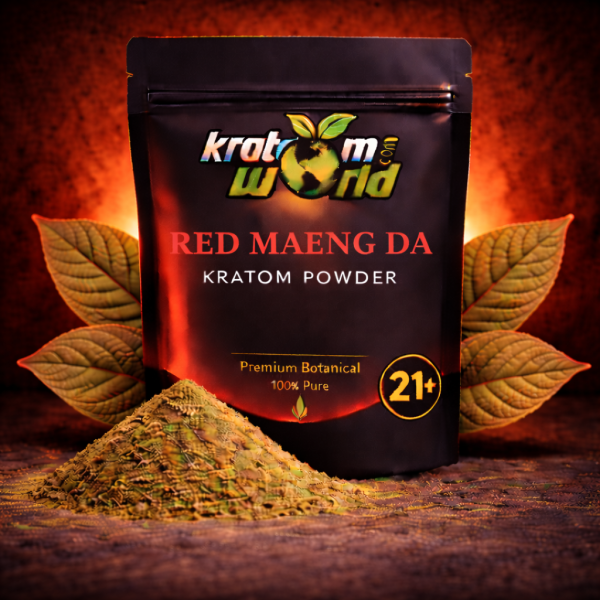
Red Maeng Da Kratom Powder
From $14.95
One of our most requested red-vein strains. Natural single-strain leaf, available in powder and capsules.

Green Maeng Da Kratom Powder
From $14.99
A balanced green-vein favorite. Premium natural leaf, milled to a fine consistent powder.

Red Bali Kratom Powder
From $14.95
A classic red-vein staple sourced from mature leaf. Natural, GMP-sourced, and offered in powder and capsules.

5 Kilo Bulk Kratom Powder
From $249.95
Best value for regular buyers. Choose any natural-leaf strains across a 5-kilo bulk order. GMP-sourced, 21+ only.
Kratom News FAQ
Did New York ban all kratom this week?
No. The measure passed on June 8, 2026 targets concentrated, synthetic 7-OH products, often called “gas station heroin.” It does not ban traditional natural-leaf kratom. New York’s earlier laws set a 21+ age requirement and labeling rules for kratom products.
What is the difference between 7-OH and natural-leaf kratom?
7-hydroxymitragynine (7-OH) is a minor alkaloid present only in trace amounts in raw kratom leaf. The products drawing regulatory attention are concentrated or semi-synthetic isolates engineered to contain elevated 7-OH levels. Natural-leaf kratom powder and capsules are the whole, milled plant material.
Has the DEA scheduled 7-OH yet?
Not as of this week. The FDA recommended Schedule I classification for concentrated 7-OH in July 2025, but the DEA is still reviewing the recommendation. Any scheduling action would require a formal rulemaking process with a public comment period. Natural-leaf kratom remains federally unscheduled.
What did San Mateo County do?
San Mateo County, California adopted an ordinance, effective June 5, 2026, prohibiting the sale of kratom and products with detectable 7-OH at businesses in unincorporated areas of the county. Violations are treated as a public nuisance with fines up to $1,000. Local ordinances like this are why buyers should always check city and county rules, not just state law.
How can I buy kratom responsibly given the changing laws?
Verify the laws in your state, county, and city before ordering; choose natural-leaf powder or capsules over 7-OH concentrates; and buy from vendors that follow Good Manufacturing Practices, and verify that customers are 21 or older.