
This week’s FDA-friendly kratom news roundup: the DEA steps back from emergency scheduling, the NIH clears a first-in-human mitragynine study, and two states move toward regulation over prohibition.
2. NIH Clears First-in-Human Mitragynine Study (MG001)
3. Rhode Island Moves From Ban to Regulation
4. Mississippi Adopts a Kratom Consumer Protection Act
5. What This Means for Natural-Leaf Buyers
6. Shop Natural-Leaf Kratom Powder & Capsules
7. Frequently Asked Questions

1. DEA Steps Back From Emergency 7-OH Scheduling
The biggest federal headline this week: rather than moving forward with a proposed emergency scheduling action, the DEA cited legal challenges and asked the FDA to submit an expedited scientific and medical evaluation and scheduling recommendation for mitragynine and 7-hydroxymitragynine (7-OH). In practical terms, that hands the next decision back to the FDA and means there is no new federal restriction on kratom at this time.
It is important to read the fine print. The regulatory conversation continues to center on concentrated and semi-synthetic 7-OH products — the high-potency derivatives often sold in gas-station gummies, shots, and tablets — and not on the natural kratom leaf. The DEA has long listed kratom as a drug of concern but has not scheduled it. KratomWorld.com sells only natural-leaf powder and capsules, which fall outside the elevated-7-OH category that regulators are focused on.
For consumers, the headline is straightforward: as of this week, natural-leaf kratom remains federally unscheduled while the FDA prepares its evaluation. As always, this is news reporting and not legal advice.
Why does the distinction matter so much? Concentrated 7-OH products are typically manufactured by isolating or chemically enhancing a single minor alkaloid far beyond the levels found in nature, which is what has drawn regulatory scrutiny and adverse-event reports. Traditional kratom powder and capsules, by contrast, contain the full spectrum of the dried leaf in its natural ratios. That is the entire premise of an FDA-friendly natural-leaf product line: stay on the leaf, skip the engineered concentrates, and keep clear of medical and dosing claims.
2. NIH Clears First-in-Human Mitragynine Study
In a notable research development, the National Institutes of Health announced that its Investigational New Drug application for a purified mitragynine formulation — known as MG001 — has taken effect with the FDA. That clears the way for an NIH-led Phase 1 clinical trial evaluating mitragynine as a potential future treatment for opioid use disorder.
The study, developed with the University of Florida and sponsored by the National Institute on Drug Abuse (NIDA), is a first-in-human, randomized, double-blind, placebo-controlled, single-ascending-dose trial in approximately 32 healthy adult volunteers. Its goal is narrow and early-stage: to understand how safe MG001 is, how well it is tolerated, and how the body processes it.
This is a research milestone, not a product approval. It does not change the legal status of kratom and is not a health claim about any kratom product. We share it because federally backed research into the plant’s primary alkaloid is exactly the kind of evidence the kratom community has been calling for.
3. Rhode Island Moves From Ban to Regulation
On the state front, Rhode Island — which had prohibited kratom since 2017 — transitioned this year to a regulated-legal framework, becoming the first state reported to move from full prohibition back to a regulated market. The replacement framework follows the familiar Kratom Consumer Protection Act (KCPA) model: retailer licensing, a 21-and-over age requirement, mandatory product testing, and a ban on synthetic 7-OH.
Advocates point to Rhode Island as a proof point that regulation works better than prohibition, arguing that outright bans simply push consumers toward unregulated, out-of-state, and online sources. The shift adds to a growing national tally: roughly 30 states plus the District of Columbia now have some form of kratom regulation on the books.
The Rhode Island reversal is symbolically important because it runs against the direction many critics assumed regulation would take. Instead of tightening into a ban, the state replaced prohibition with a structured, testable framework. For natural-leaf vendors and consumers alike, that signals a maturing market in which transparency, quality standards, and age verification — not blanket bans — are becoming the expected baseline.
4. Mississippi Adopts a Kratom Consumer Protection Act
Mississippi joined the regulation column as well, enacting a Kratom Consumer Protection Act that sets a 21+ purchase age and bans synthetic 7-OH concentrates while keeping natural kratom leaf accessible to adults. It is the same template the American Kratom Association has championed across the country: protect consumers with age limits, labeling, and testing standards rather than blanket prohibition.
5. What This Means for Natural-Leaf Buyers
Step back from the week’s individual headlines and a consistent pattern emerges. Federal regulators and a growing list of states are drawing a sharp line between concentrated, semi-synthetic 7-OH products and the natural kratom leaf. The enforcement energy is aimed at the former; the latter is increasingly being folded into sensible consumer-protection frameworks with age limits, quality standards, and labeling requirements.
For shoppers, the practical guidance has not changed: buy natural-leaf powder and capsules from a transparent vendor with certified sourcing that avoids elevated-7-OH and unregulated extract products. KratomWorld.com sells single-strain natural-leaf kratom powder and capsules to adults 21 and older, with no health or medical claims attached. We round up the week’s most important kratom news every week so you can stay informed. For ongoing coverage, the independent news site kratom.news tracks federal and state developments as they happen.
6. Shop Natural-Leaf Kratom Powder & Capsules
Looking for natural-leaf kratom while you follow this week’s kratom news? Here are four customer favorites, all GMP-sourced natural leaf, available as powder or capsules:
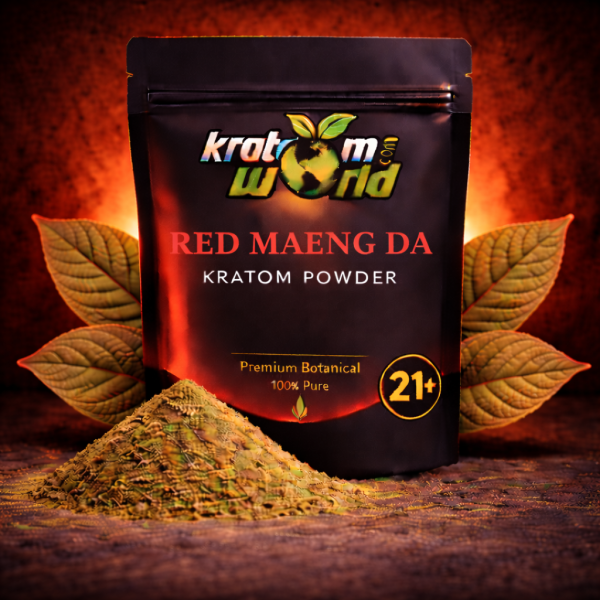
Red Maeng Da Kratom Powder
From $14.95
Our most popular red-vein natural-leaf powder. GMP-sourced and available in powder or capsules.

Green Maeng Da Kratom Powder
From $14.99
A balanced green-vein single-strain natural-leaf powder. Finely milled for purity.

Red Bali Kratom Powder
From $14.95
A classic red-vein Bali natural-leaf powder. Smooth, consistent, and a customer favorite for everyday value.

5 Kilo Bulk Kratom Powder
From $249.95
Mix and match any strains across five kilos for the lowest per-gram price. Ideal for regular natural-leaf buyers.
7. Frequently Asked Questions
Did the DEA ban kratom in June 2026?
No. The DEA did not schedule kratom or its natural-leaf alkaloids. Reporting this week indicates the DEA set aside a proposed emergency scheduling action and asked the FDA for an expedited scientific and scheduling evaluation. Natural kratom leaf remains federally unscheduled. This is news only and not legal advice — always verify your local and state laws.
What is the difference between natural-leaf kratom and 7-OH?
Natural-leaf kratom powder and capsules are made from the dried, milled leaf of the Mitragyna speciosa plant. 7-hydroxymitragynine (7-OH) occurs only in trace amounts in the natural leaf. The current federal and state enforcement focus is on concentrated or semi-synthetic 7-OH products — not on natural-leaf powder or capsules like the ones KratomWorld.com sells.
What did the NIH mitragynine study announce?
The NIH announced that its Investigational New Drug application for a purified mitragynine formulation (MG001) has taken effect, clearing the way for a Phase 1 safety and tolerability trial in roughly 32 healthy adult volunteers, conducted with the University of Florida and sponsored by NIDA. It is an early-stage research study, not a product approval or a health claim about kratom.
Is kratom legal again in Rhode Island?
Reporting indicates Rhode Island moved from a prior prohibition to a regulated-legal framework effective in 2026, with retailer licensing, a 21+ age requirement, product testing, and a ban on synthetic 7-OH. Mississippi adopted a similar Kratom Consumer Protection Act approach. Legal status changes frequently — confirm the current rules in your own state before purchasing.
Does KratomWorld.com sell 7-OH or extract products marketed for health claims?
KratomWorld.com sells natural-leaf kratom powder and capsules to adults 21 and older. We do not make medical, health, or dosing claims. Our products are not intended to diagnose, treat, cure, or prevent any disease and are not approved by the FDA for any therapeutic use.